



Top HVAC Trends Homeowners Will Ask About in 2026
Homeowners are not getting less curious. They’re getting more overwhelmed.
Heat pumps are everywhere. Thermostats now come with apps and sensors. Indoor air quality is being discussed as a health upgrade. Refrigerant rules are shifting. Incentives are changing, sometimes mid-season. When homeowners try to sort it out online, they end up with ten tabs open and no clear next step.
That’s the opportunity in 2026: contractors who can translate the noise into a simple, credible plan will win more of the right jobs.
Quick takeaways for contractors
- Heat pumps and hybrid systems are moving from “option” to “default” in many replacement conversations.
- Smart thermostats, zoning, and sensors are becoming part of the comfort expectation, not an upgrade.
- Indoor air quality (IAQ) is being bought as a health decision, especially filtration, ventilation, and humidity control.
- Rebates and tax credits still drive decisions, but dates and eligibility rules vary by region and often change
Heat pumps go mainstream, and “hybrid” becomes a normal option
In many markets, high-efficiency air-source heat pumps are now the first replacement option homeowners hear about. Cold-climate performance continues to improve, and homeowners like the idea of heating and cooling in a single system.
There’s growing interest in hybrid setups using a heat pump for most of the load, with a high-efficiency gas system to support during the coldest stretches. Homeowners focus more on comfort and predictable bills than on technical terminology.
How to explain it simply:
- “A heat pump moves heat instead of making it, so it can be very efficient.”
- “We size it for how your home actually behaves, not just what the old system was.”
- “Hybrid can be a practical middle ground if you want electric efficiency most of the year plus backup for extreme cold.”
What this means for contractors: heat pump quotes move faster when you connect performance to the homeowner’s real goal (comfort, operating cost, or both), not just the equipment headline.
Smart controls and zoning are no longer “nice to have”
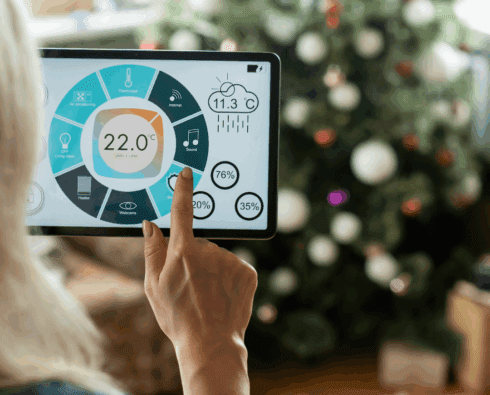
Homeowners are used to app control. More of them now expect consistent comfort room to room, fewer thermostat battles, and early warnings when something is off.
The shift in 2026 is that controls and sensors are becoming part of the system design, rather than bolt-ons at the end.
How to explain it simply:
- “This isn’t about gadgets. It’s about solving hot and cold spots and keeping the system from working harder than it needs to.”
- “Zoning and sensors help the system respond to what’s happening in the house, not just what the thermostat reads in one location.”
A practical field cue: if a homeowner’s main complaint is comfort inconsistency, lead with control strategy before you lead with equipment.
Indoor air quality remains in high demand, but the language is changing
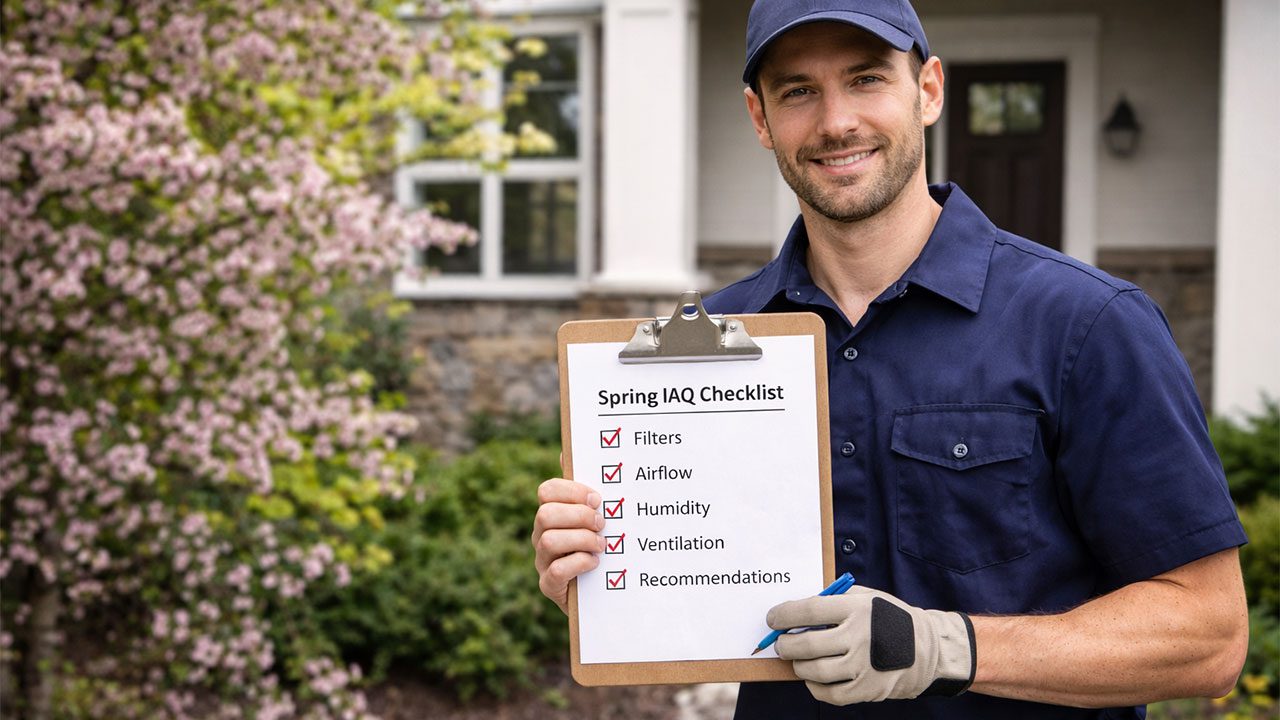
In 2026, homeowners are buying IAQ for health and comfort: allergies, wildfire smoke, humidity, sleep, and “my house feels stale.”
How to explain it simply:
- “We reduce what gets into the air, we bring in fresh air properly, and we filter what matters.”
- “Good IAQ isn’t one product. It’s a few upgrades working together.”
If you need a standards-based reference point for residential ventilation, ASHRAE Standard 62.2 is the consensus standard that describes minimum requirements for acceptable IAQ in residential dwelling units through ventilation, local exhaust, and source control.
To maximize IAQ upgrades, include them whenever you are already working on the system. Homeowners are much more open to changes during replacement, so this is the best time to act on these options.
Efficiency ratings are familiar, but the rules behind them keep evolving
Homeowners still ask, “What SEER is this?” and that’s a fair question. In Canada, SEER still shows up in the conversation and on EnerGuide labels.
What’s changed is that many product ratings and minimum standards now reference newer metrics like SEER2 and HSPF2. NRCan’s efficiency regulations and reporting for central air conditioners and heat pumps now include SEER2 and HSPF2.
How to explain it simply:
- “Efficiency isn’t just a label. It’s a set of numbers that can affect which equipment qualifies for rebates or program requirements.”
- “We’ll match the system to your comfort goals, and we’ll confirm it meets the performance thresholds you’re counting on before you make a decision.”
What this means for contractors: treat ‘high efficiency’ as a specific target tied to comfort and program eligibility, not a vague promise.
Refrigerants and “future-ready” choices will drive more replacement conversations
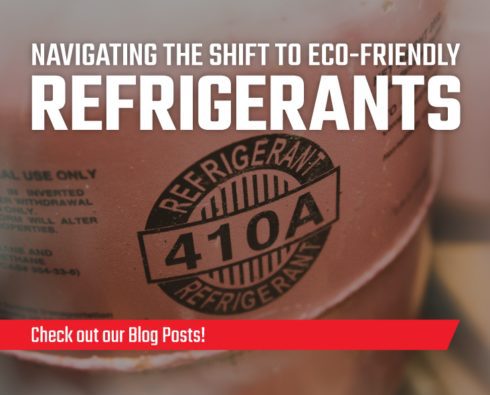
Homeowners don’t usually ask about refrigerants until something becomes expensive, confusing, or hard to service. That’s changing, mainly because new equipment is moving to new refrigerant classes, and safety codes are catching up.
In Canada, updated standards like CSA B52:2023 recognize newer refrigerant classifications, including A2L (“mildly flammable”) refrigerants, and provinces are beginning to reference these updates in their codes. The practical takeaway is that contractors will see more A2L-ready equipment, along with clearer requirements around safe installation and service.
How to explain it simply:
- “New equipment is moving to refrigerants with a lower environmental impact, and it’s designed for them.”
- “Safety codes are being updated to support these new refrigerants, so installs and service follow clear rules.”
- “If you’re replacing, we’ll steer you toward a compliant system that’s easier to support long-term.”
What this means for contractors: keep your message calm and practical. Homeowners want confidence and a clear plan, not a chemistry lesson.
In 2026, the difference between a smooth job and a messy one often comes down to planning the full system package up front: equipment, controls, IAQ, accessories, and any program requirements. To ensure a smooth and successful installation in 2026, contact your ECCO team early. Take the first step today to keep every project on track and deliver top-notch results for your homeowners.